01
Taleem-e-Noor
Free primary schooling, catch-up bootcamps and matric scholarships for out-of-school children.
Details
Each program starts with a baseline study in the neighbourhood, runs on a published budget, and ends with an endline we are happy to be judged by.
Filter by focus area, then jump into the detail below.
Free primary schooling, catch-up bootcamps and matric scholarships for out-of-school children.
Details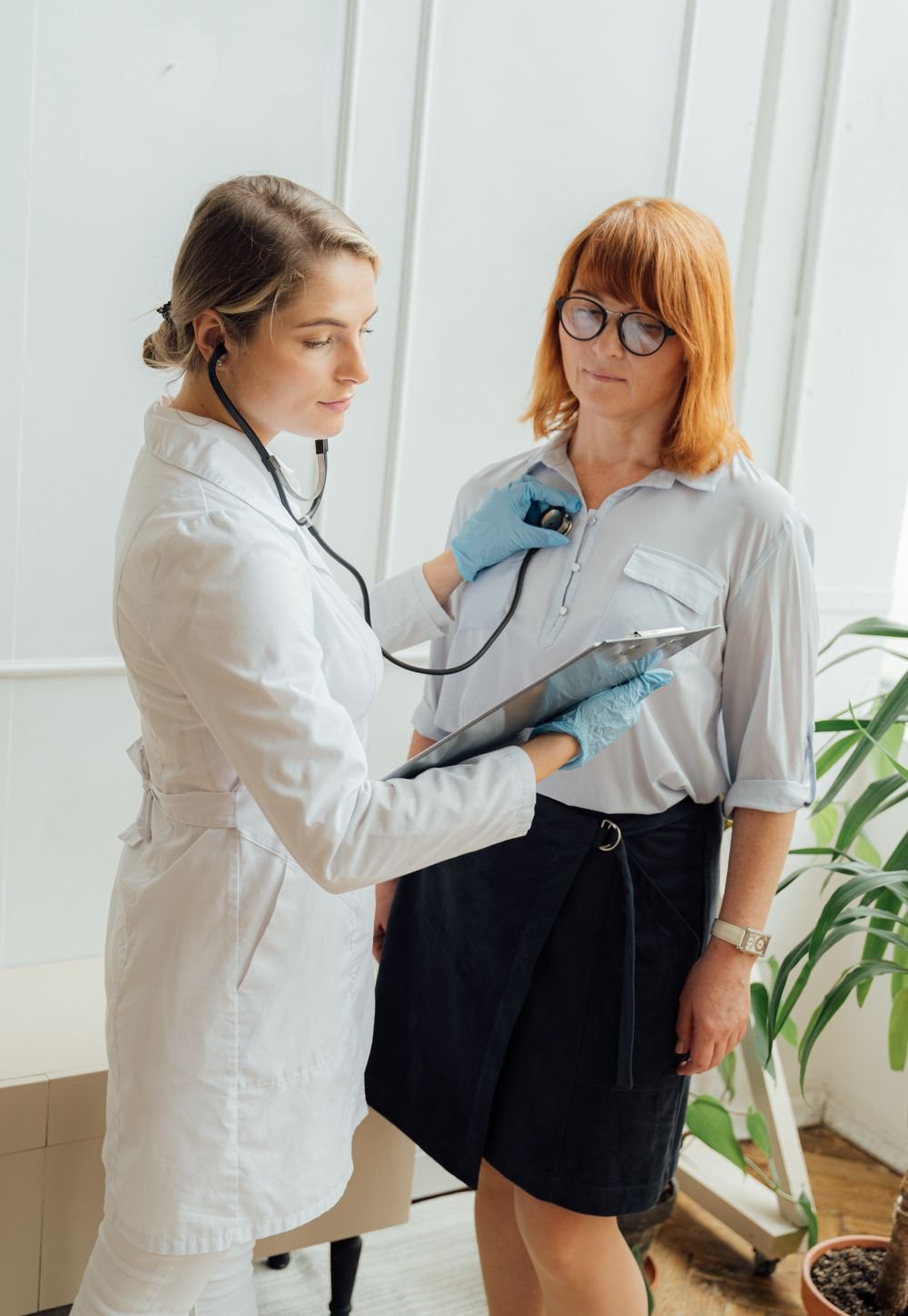
Mobile clinics, maternal screening, immunisation drives and free eye surgery referrals.
Details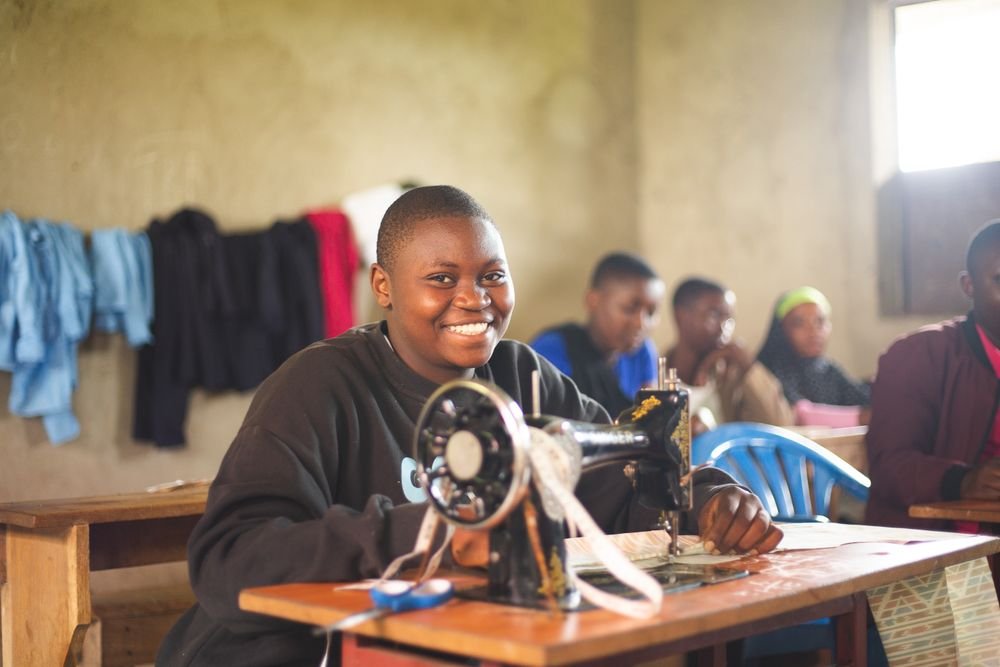
Stitching, embroidery and digital skills plus micro-grants and buyer linkage for women.
Details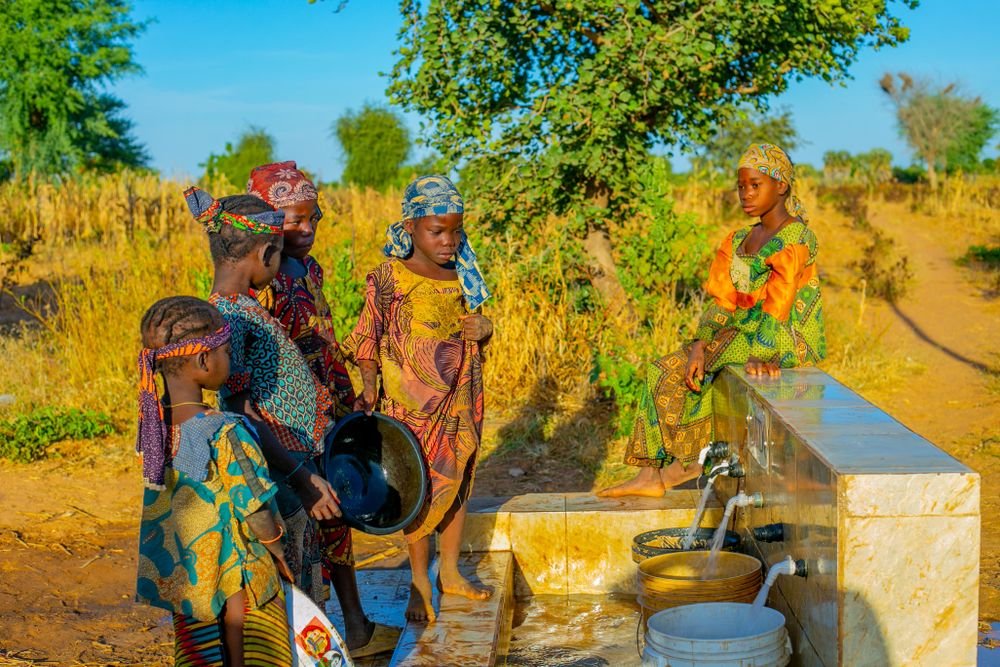
Solar water plants, filtration units, toilets and hygiene kits for unserved settlements.
Details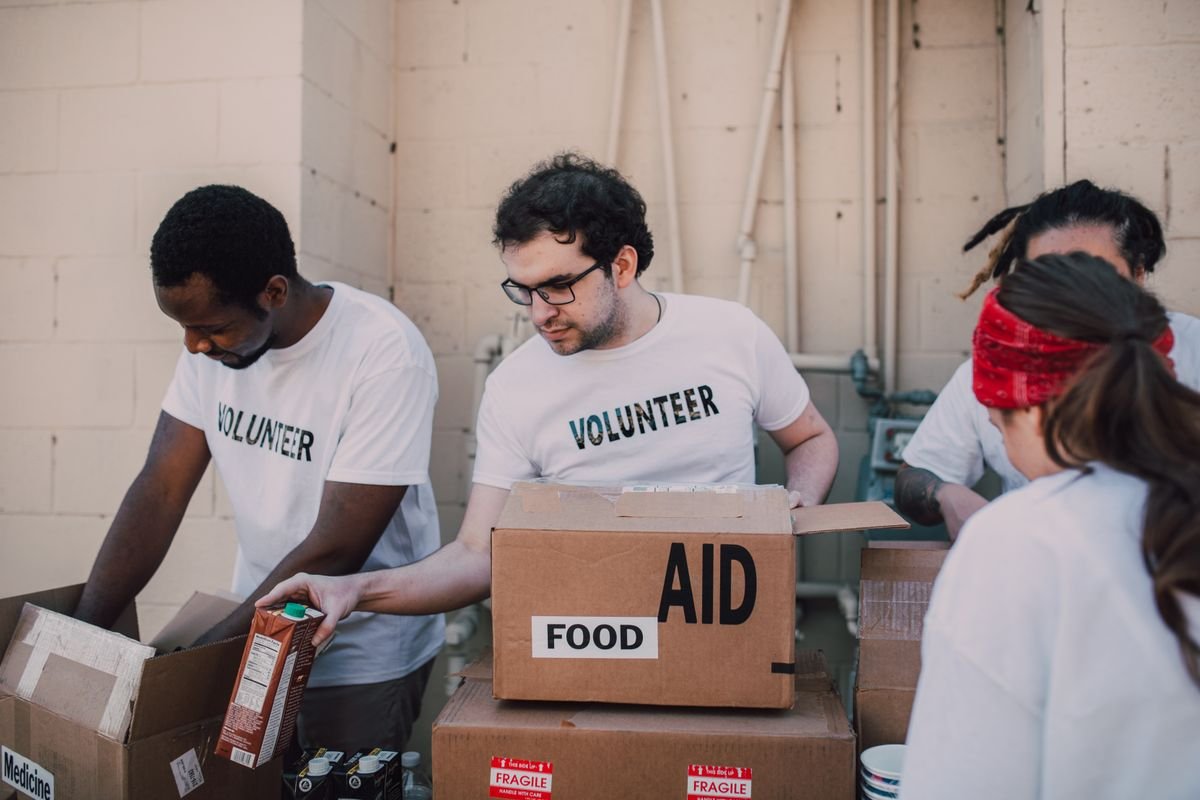
Monthly ration packs, community kitchens and festival distributions for 1,200 families.
Details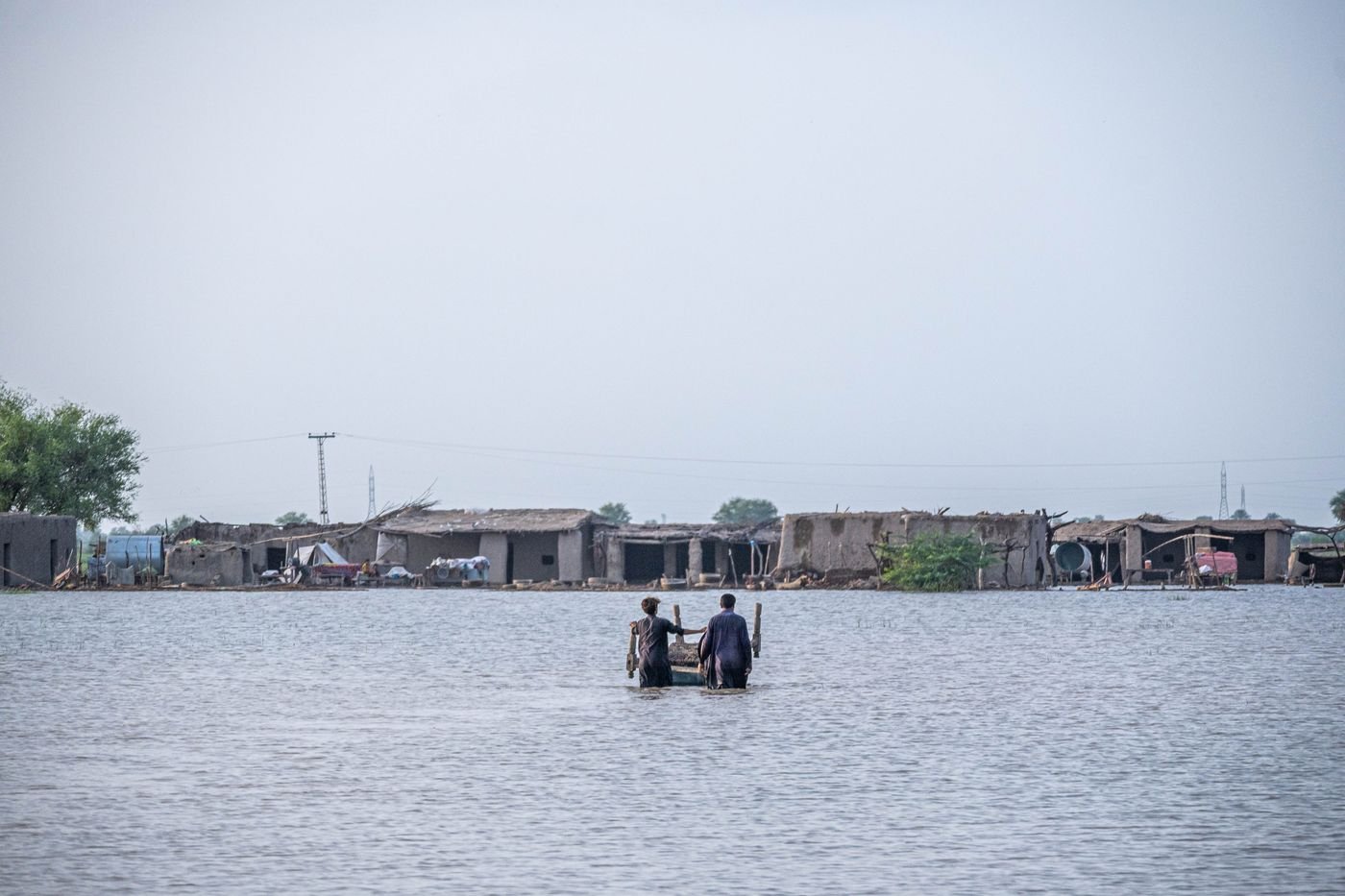
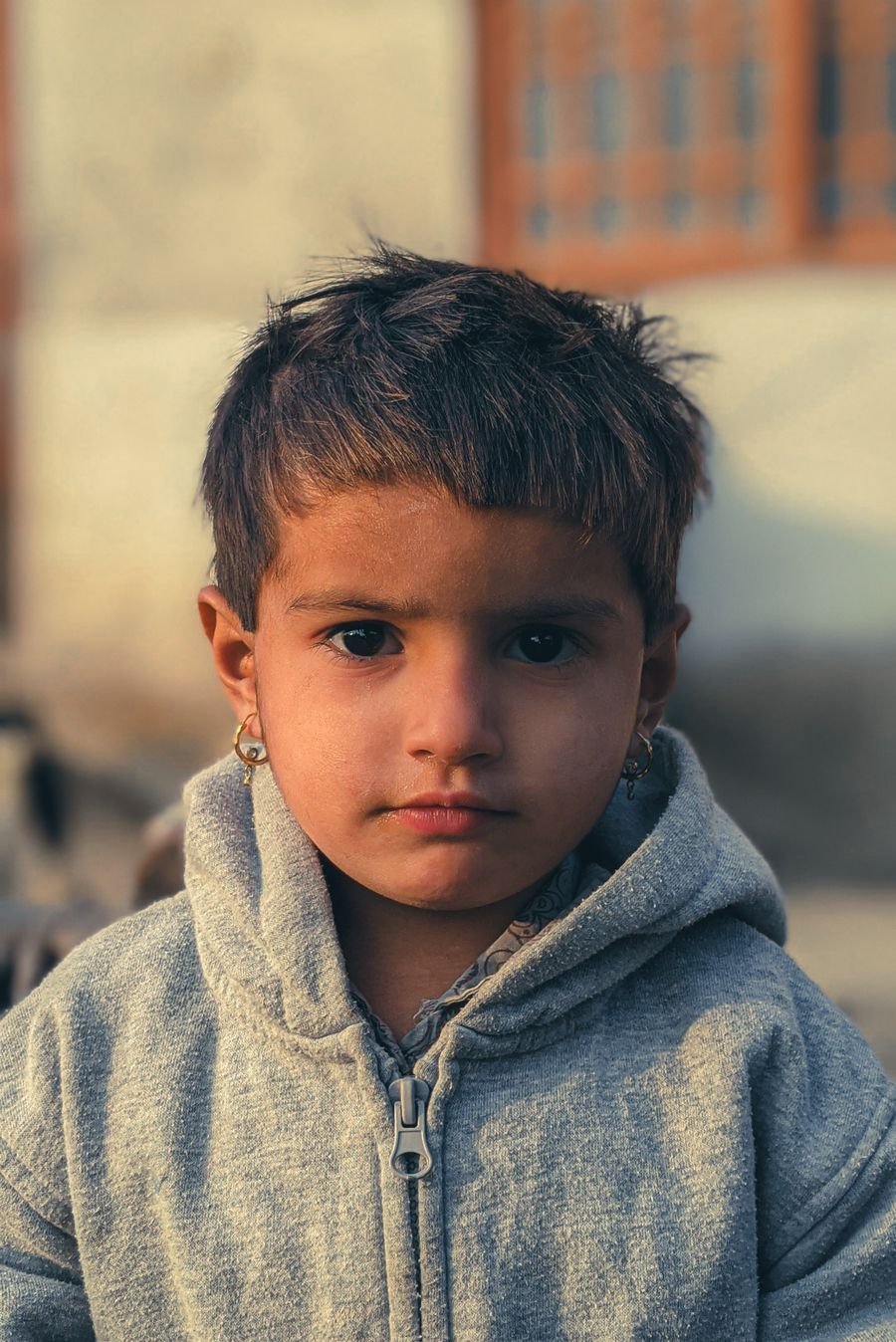
Orphan and vulnerable-child sponsorship: school fees, health cover, nutrition and a mentor.
Details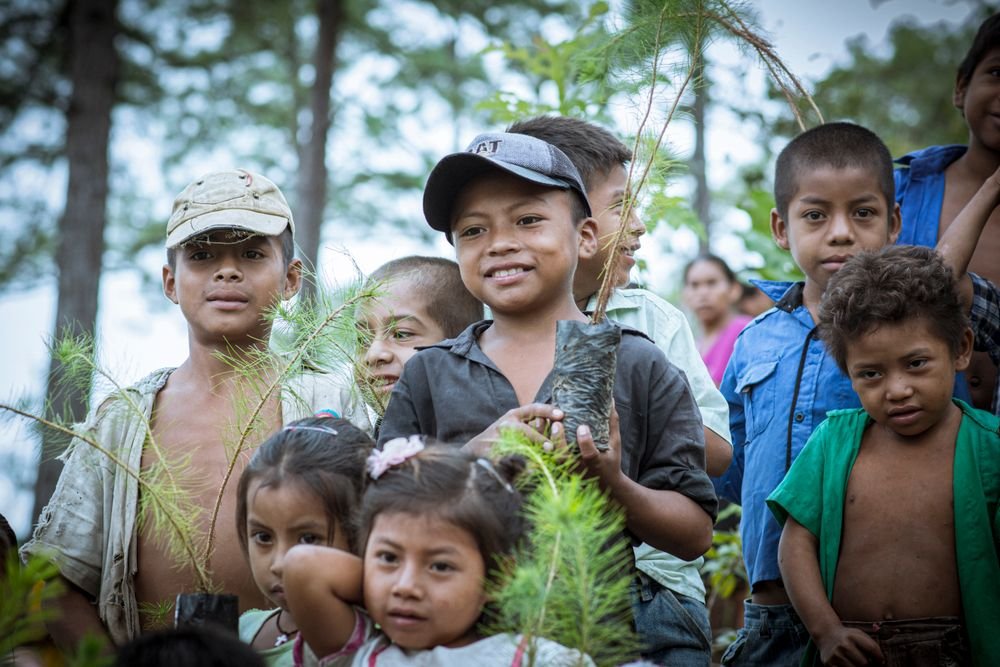
Sapling nurseries, school green clubs and community forests along the Malir riverbed.
Details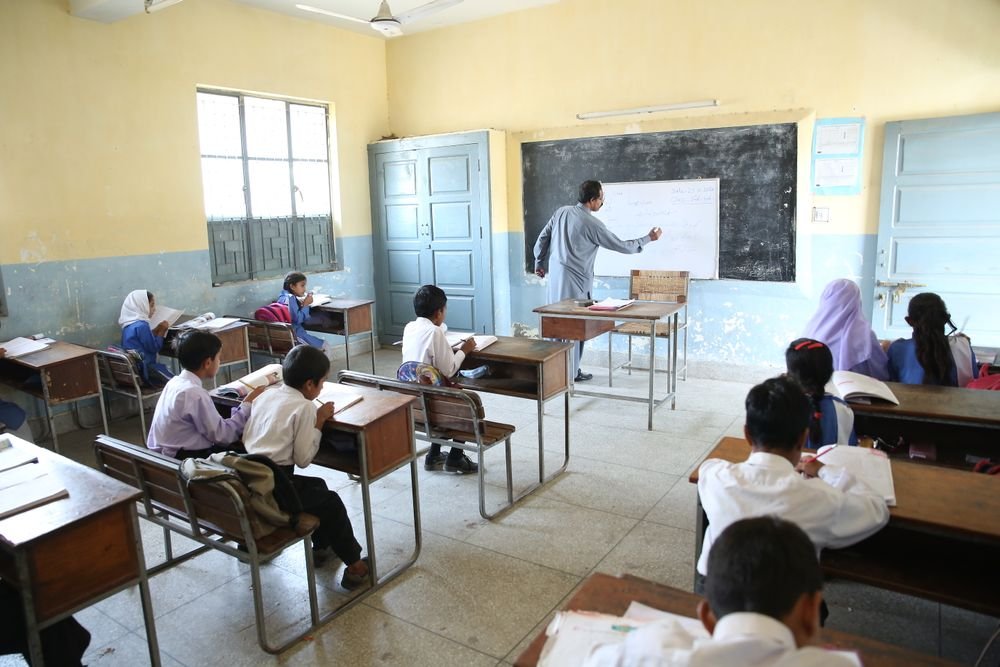 46 centres · 5,800 students
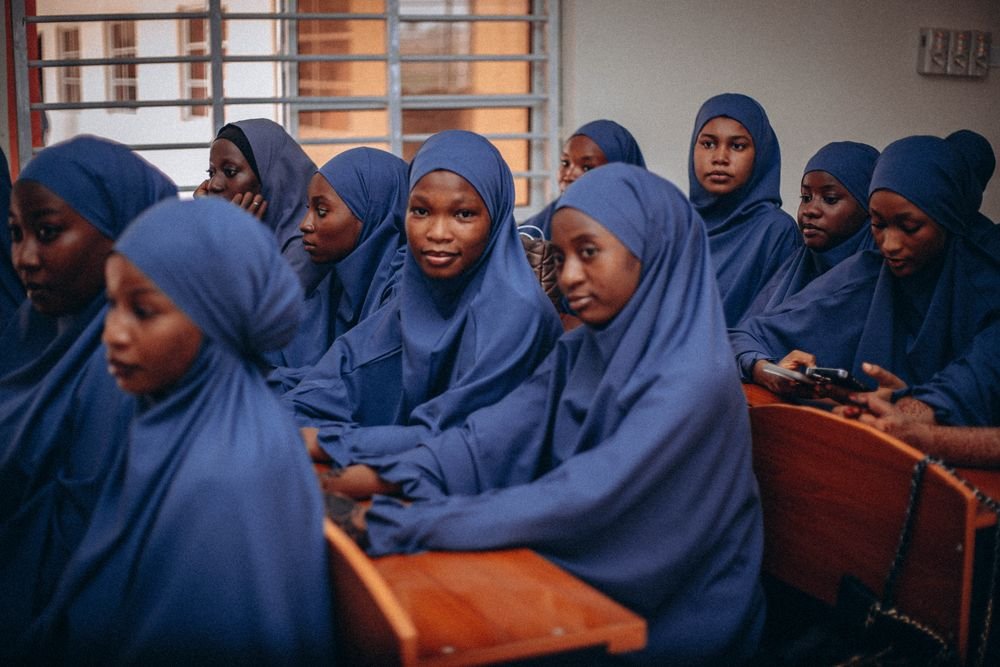
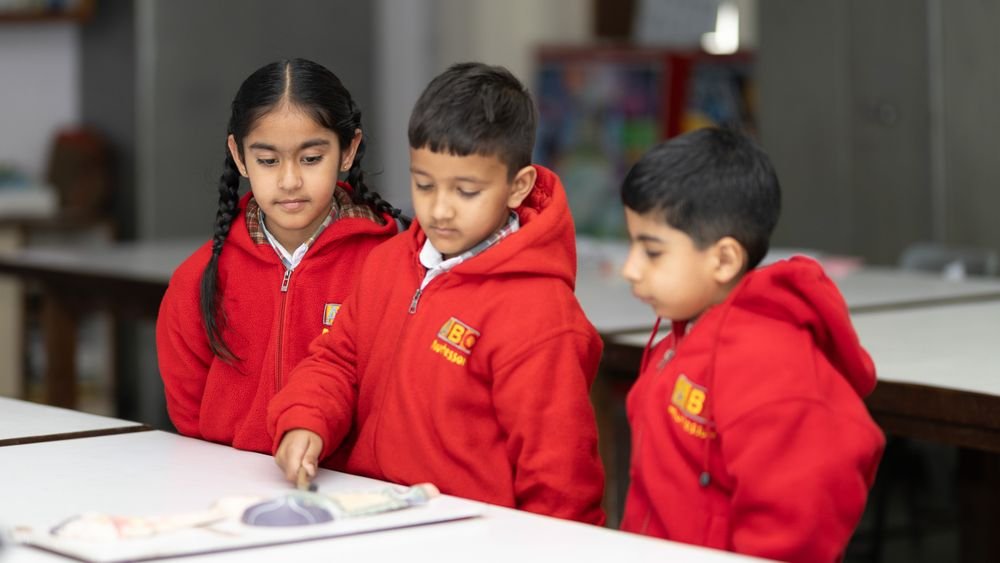
We run free primary schools and remedial centres in the settlements where enrolment collapses first: Orangi, Korangi, Sohrab Goth, Nazimabad and the villages around Islamabad. Classes are deliberately small (25 students), the curriculum follows Sindh and federal boards, and every child gets a meal, a book pack and a school bus stop within walking distance.
Retention is our headline number: 91% of enrolled students complete the academic year, against a regional average nearer 60%.
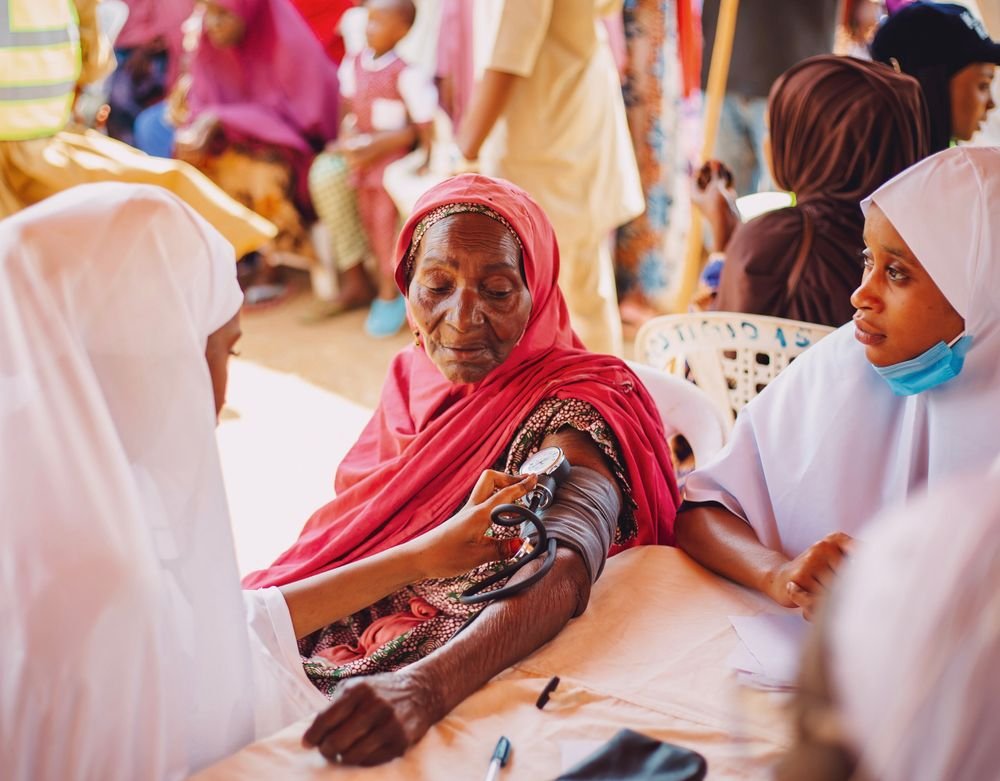 6 mobile units · 340k patients
Six mobile clinics run fixed weekly routes through informal settlements, staffed by a doctor, a lady health worker and a pharmacist. Services include maternal and newborn screening, child immunisation, chronic BP and diabetes checks, and a free pharmacy. When a case needs a hospital, our navigator accompanies the family through referral and follow-up.
Twice a year we run cataract eye camps with partner surgeons — 1,180 free surgeries completed to date.
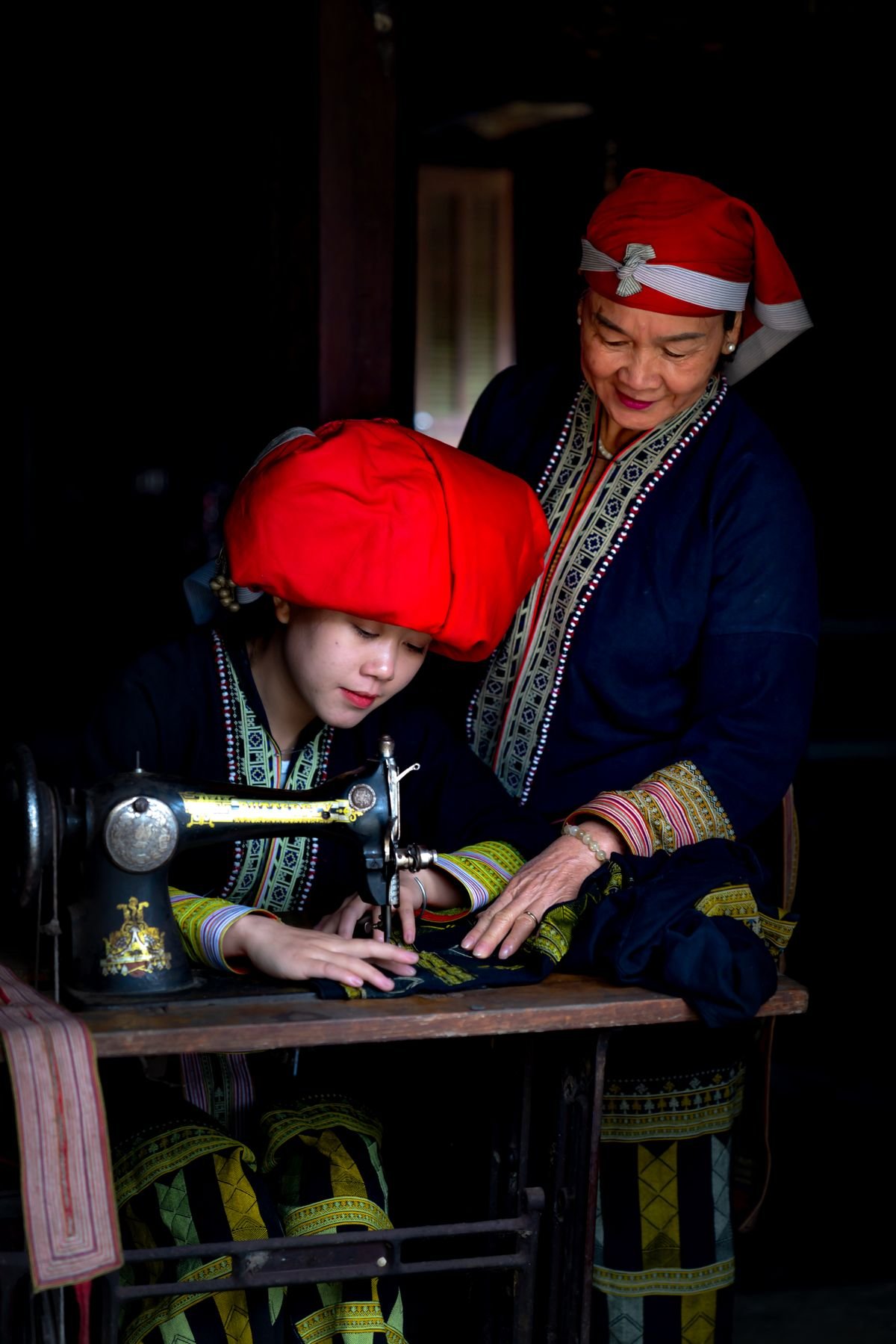 14 centres · 12,300 graduates
A seven-month vocational cycle — stitching, embroidery, cut-and-sew, basic bookkeeping and digital literacy — followed by a micro-grant of up to PKR 60,000 and access to our buyer network of textile exporters and boutique brands in Karachi.
Graduates also join a savings group (hamdardi) that continues long after the course ends. 74% are earning within six months of graduating.
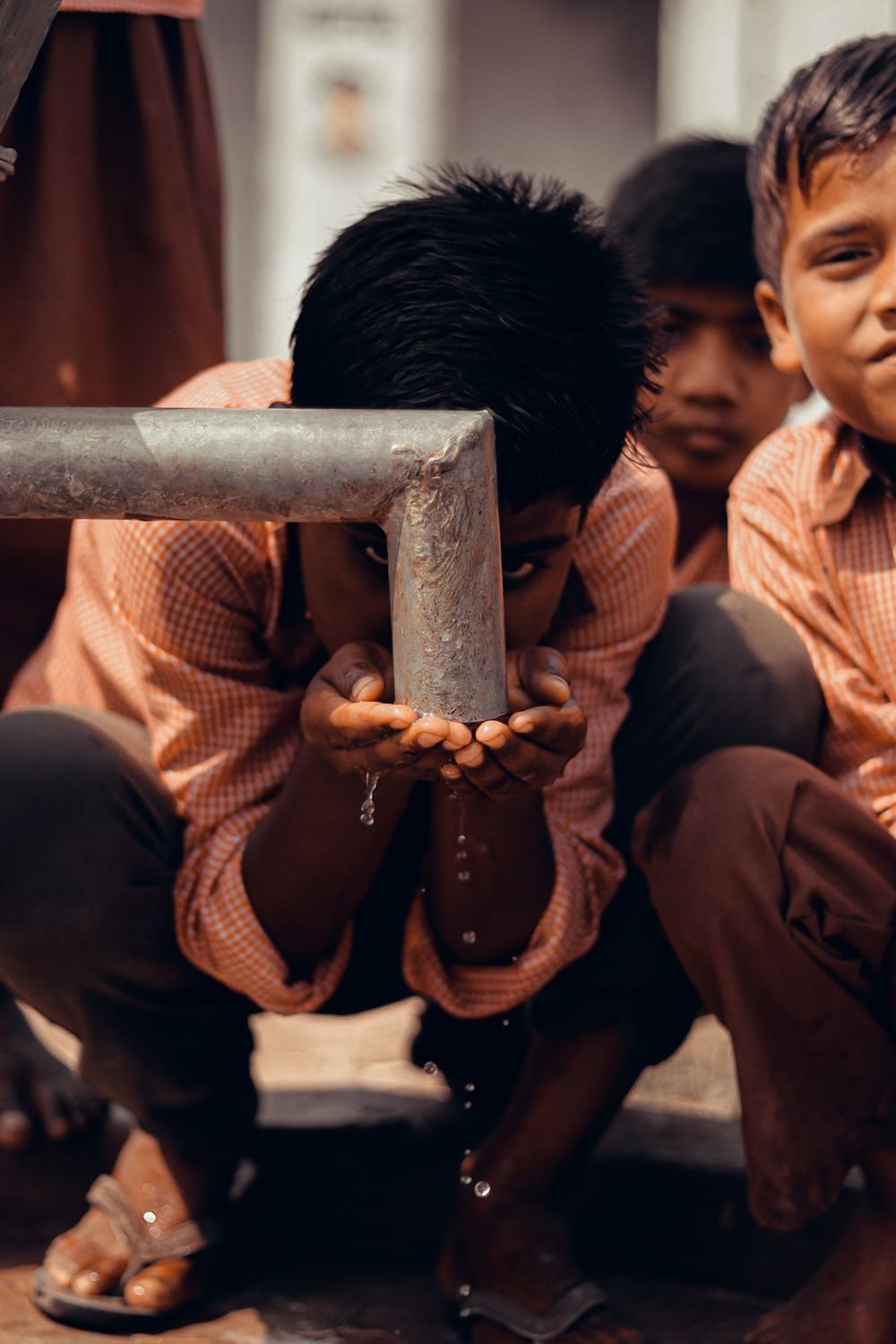 85 systems · 61,000 people
We build and hand over solar-powered water plants, hand pumps and filtration units to elected water committees who collect a nominal, published tariff for maintenance. Every scheme includes block toilets for the school and a hygiene curriculum for mothers' groups.
Water quality is tested quarterly by an independent lab, and results are pinned on the community noticeboard.
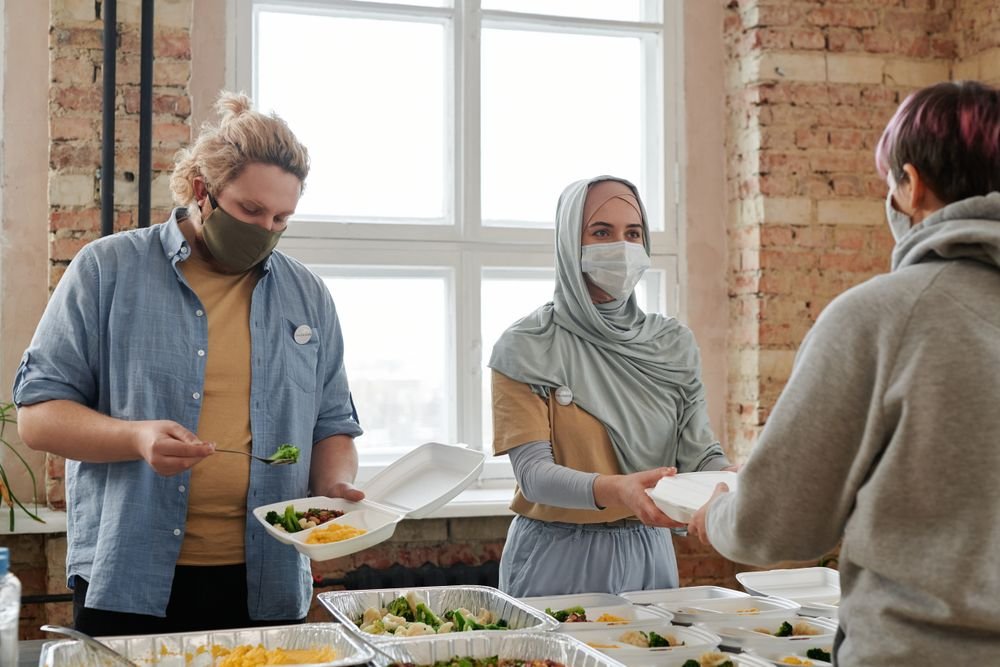 215,000 meals · 1,200 families
Monthly ration packs (flour, oil, lentils, rice, sugar, tea, milk and fortified biscuits) reach 1,200 of the most food-insecure households identified jointly with local union councils. Our two community kitchens in Lyari and Korangi serve hot meals six days a week, and during Ramadan we scale to 40,000 iftar boxes.
Nutrition screening at our clinics means the packs are adjusted for households with children under five or expecting mothers.
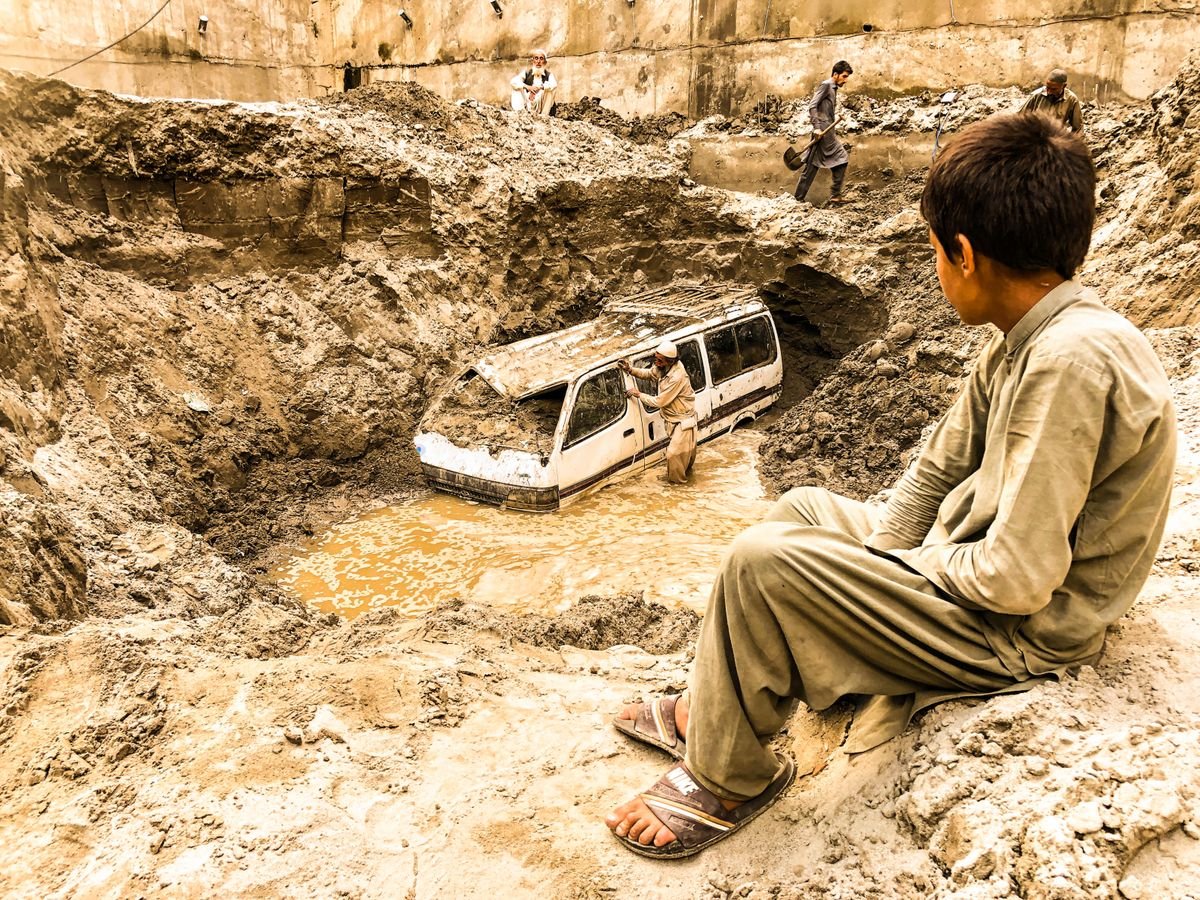 34 operations · 48-hour protocol
Warehouses in Karachi and Islamabad hold pre-positioned stocks of tarpaulins, sleeping mats, hygiene kits, water bottles, ready-to-eat rations and winter quilts. Our 60-person volunteer roster is on standby with boats, pickups and medics.
From the 2022 monsoon floods to Lyari's urban fires and the 2024 heatwave water drive, our median time from alert to first distribution is 31 hours.
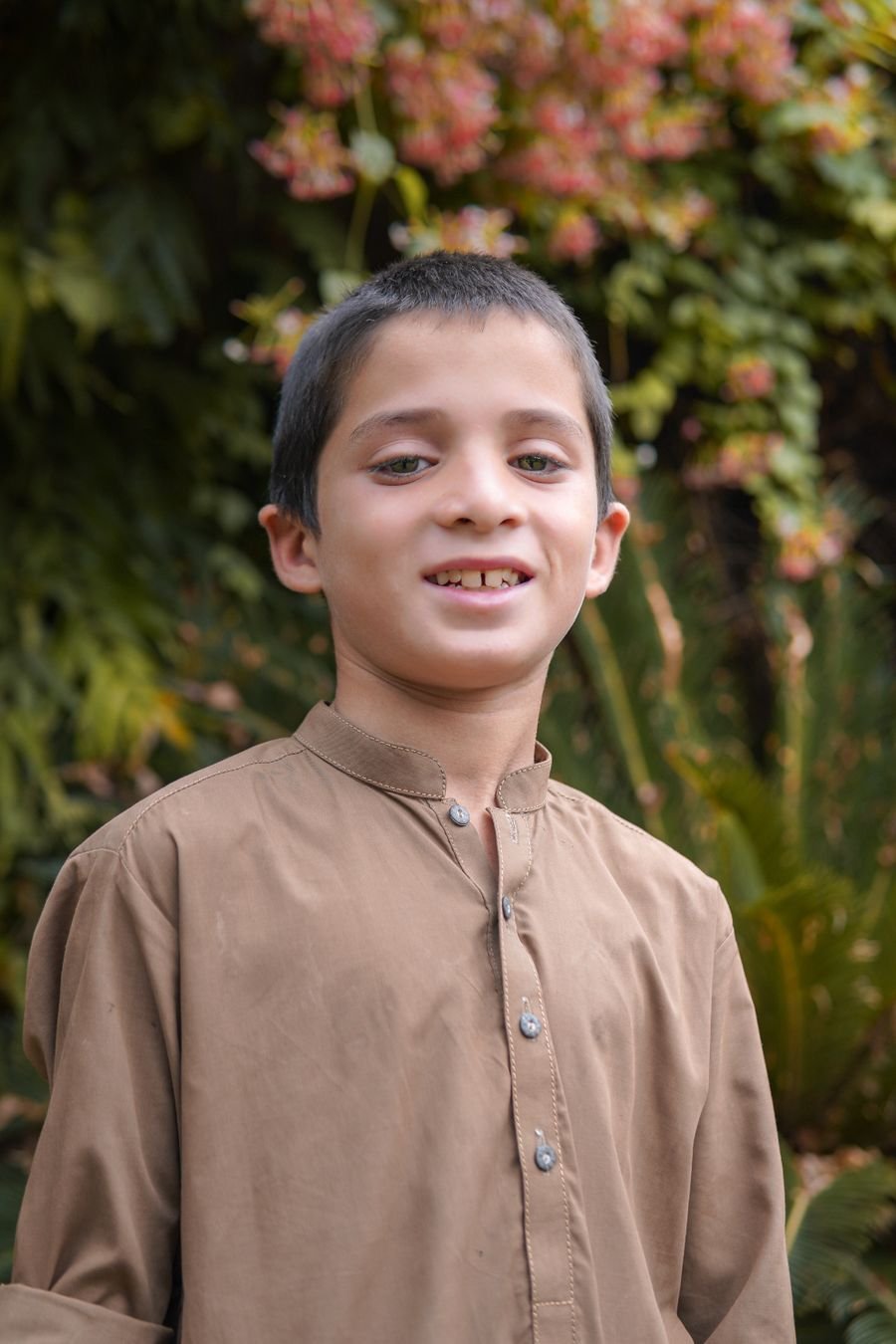 640 children sponsored
Parwarish pairs a donor with a verified orphan or vulnerable child: school fees and supplies, an annual health check, nutrition support for the household, and a mentor who meets the family every month. Guardianship is confirmed through NADRA records and a home visit before any child enters the program.
Sponsors receive the child's school report and a handwritten thank-you twice a year — personal details protected in line with our child-safeguarding policy.
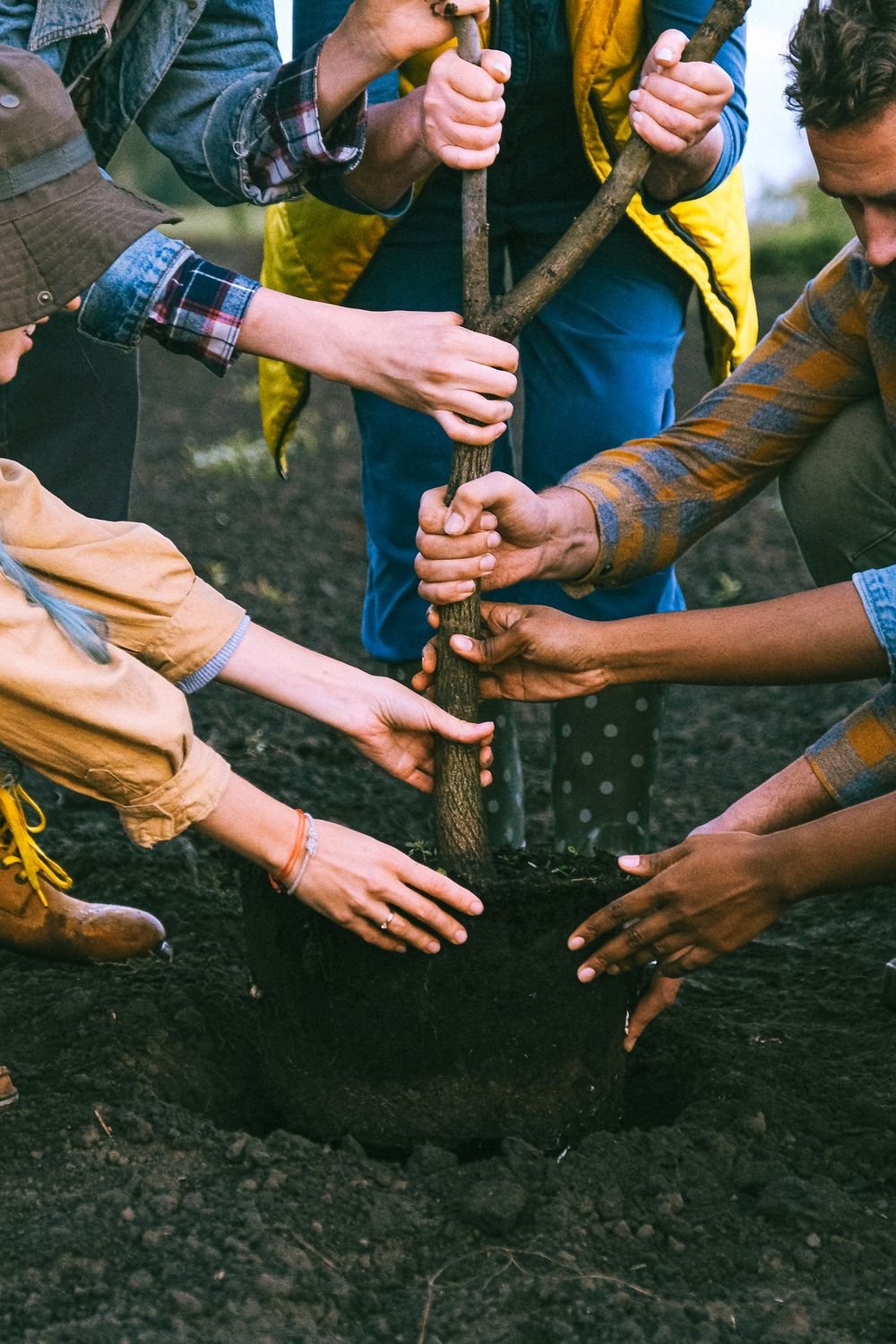 42,000 saplings · 68% survival
We raise native species — neem, peepal, moringa, jamun — in nurseries run by women's groups, then plant them along the Malir riverbed, school boundaries and housing society edges. Each sapling is GPS-tagged and adopted by a student club responsible for watering and guarding it for a full year.
Survival rate after twelve months: 68%, audited by photo and geotag sampling.

Program-specific donations get their own quarterly update — photos, spending and outcomes from the exact project you chose.