Karachi
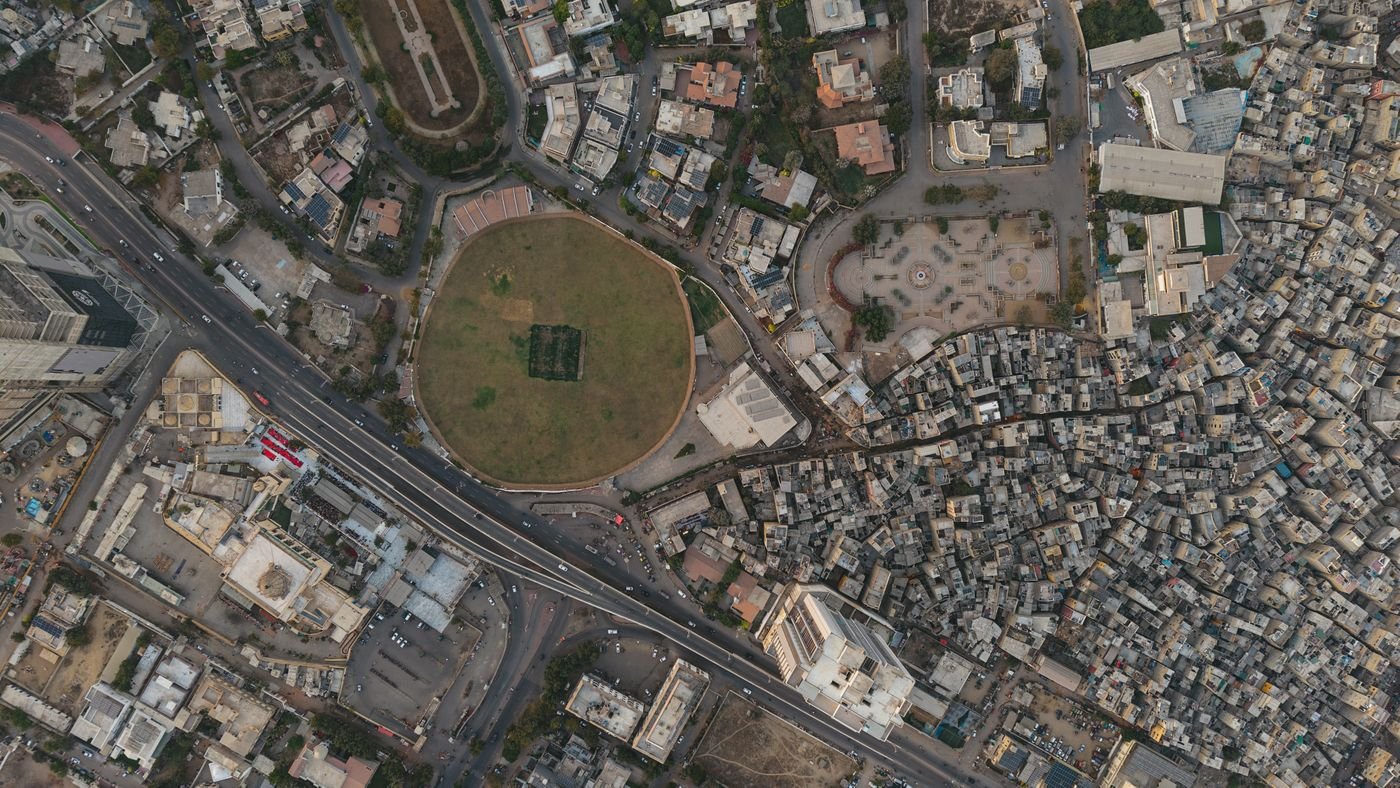
Headquarters, main warehouse and 31 field centres across Korangi, Orangi, Malir, Sohrab Goth, Nazimabad and Gulshan-e-Iqbal — plus coastal communities in Thatta and Sujawal.
Karachi contact details

Fifteen years, one rented room to start with, and a stubborn belief that dignity is a deliverable — not a slogan.
Gulbahar NGO exists to close the gap between Pakistan's promise of universal education and healthcare, and the daily reality of families living on the margins of Karachi, Islamabad and rural Sindh. We work in the open: budgets published, baselines measured, results verified.
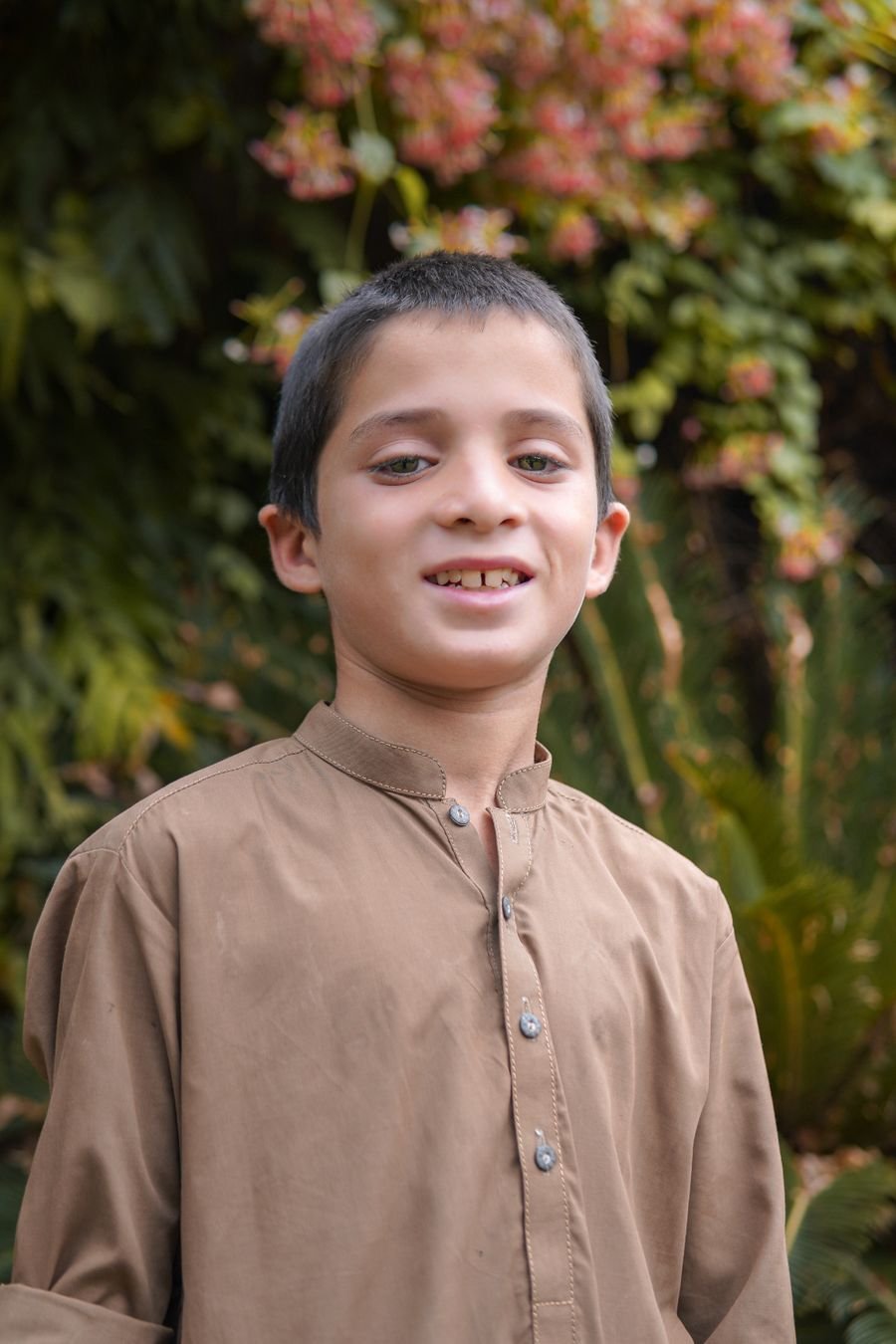
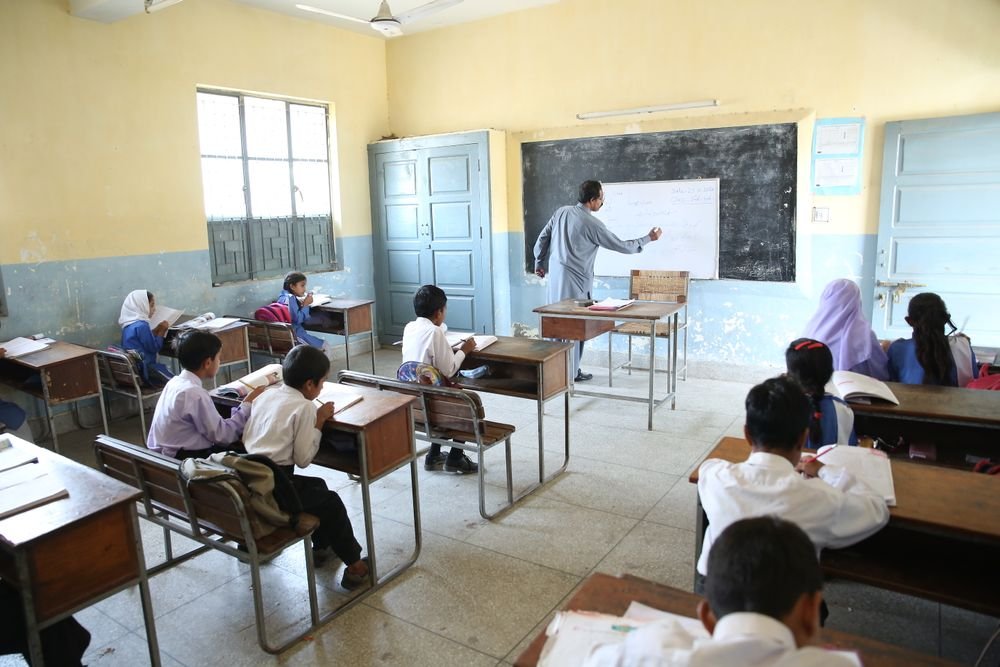
Queues are seated, forms are short, and nobody is photographed without consent. Aid should never feel like humiliation.
Annual audits, published ratios and an open dashboard. If we cannot show it, we do not claim it.
Every centre is staffed by people from that neighbourhood. Communities own the decisions, not the head office.
Pre-positioned warehouses in Karachi and Islamabad let us move shelter, water and food inside 48 hours.
Baselines, endlines and third-party spot checks. Feelings are wonderful; footnotes are better.
From a single tuition centre in Orangi to a two-city organisation with field presence in fifteen districts.
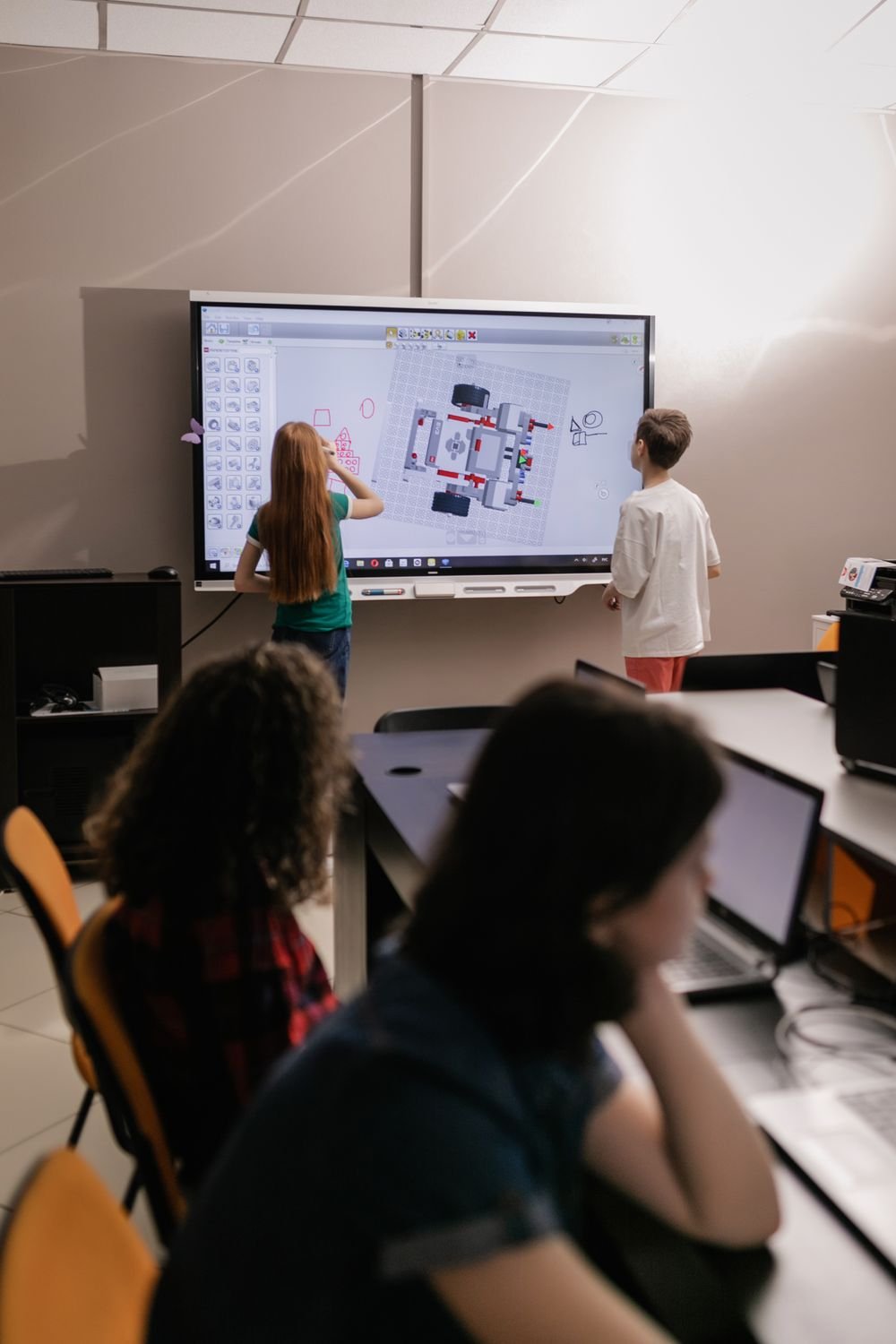
Gulbahar is registered under the Societies Registration Act 1860 and opens a free tuition centre for 40 children in Orangi Town, Karachi.
The Orangi Learning Centre opens with grades 1–5, a female-only teaching team and a community committee that approves every budget line.
Two donated vans become mobile clinics serving Korangi and Malir — maternal screening, child immunisation and free pharmacy.
Expansion into the capital's rural periphery: schools in Tarlai and Koral, and the first Saaf Pani solar water plant.
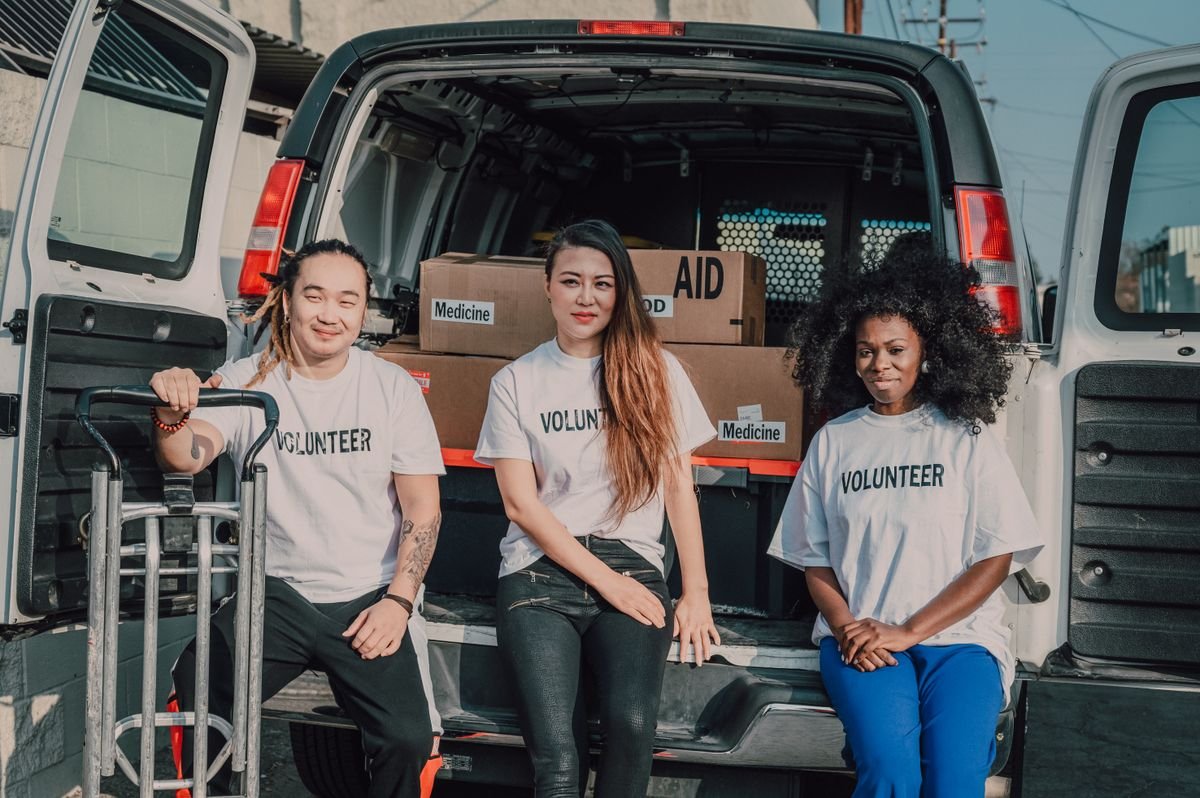
96,000 ration packs, 180,000 meals and 1.2 million soap bars distributed across Karachi in fourteen weeks.
Six weeks in Sindh and Balochistan: 1,400 families supported with rations, hygiene kits, tarpaulins and boat rescue.
We cross six figures — then publish our first full impact dashboard, district by district.
Today: 46 learning centres, 6 mobile clinics, 14 women's centres, 85 water systems and a standing relief team.
Karachi is our headquarters and largest field base; Islamabad coordinates our northern programs and government partnerships.
Headquarters, main warehouse and 31 field centres across Korangi, Orangi, Malir, Sohrab Goth, Nazimabad and Gulshan-e-Iqbal — plus coastal communities in Thatta and Sujawal.
Karachi contact details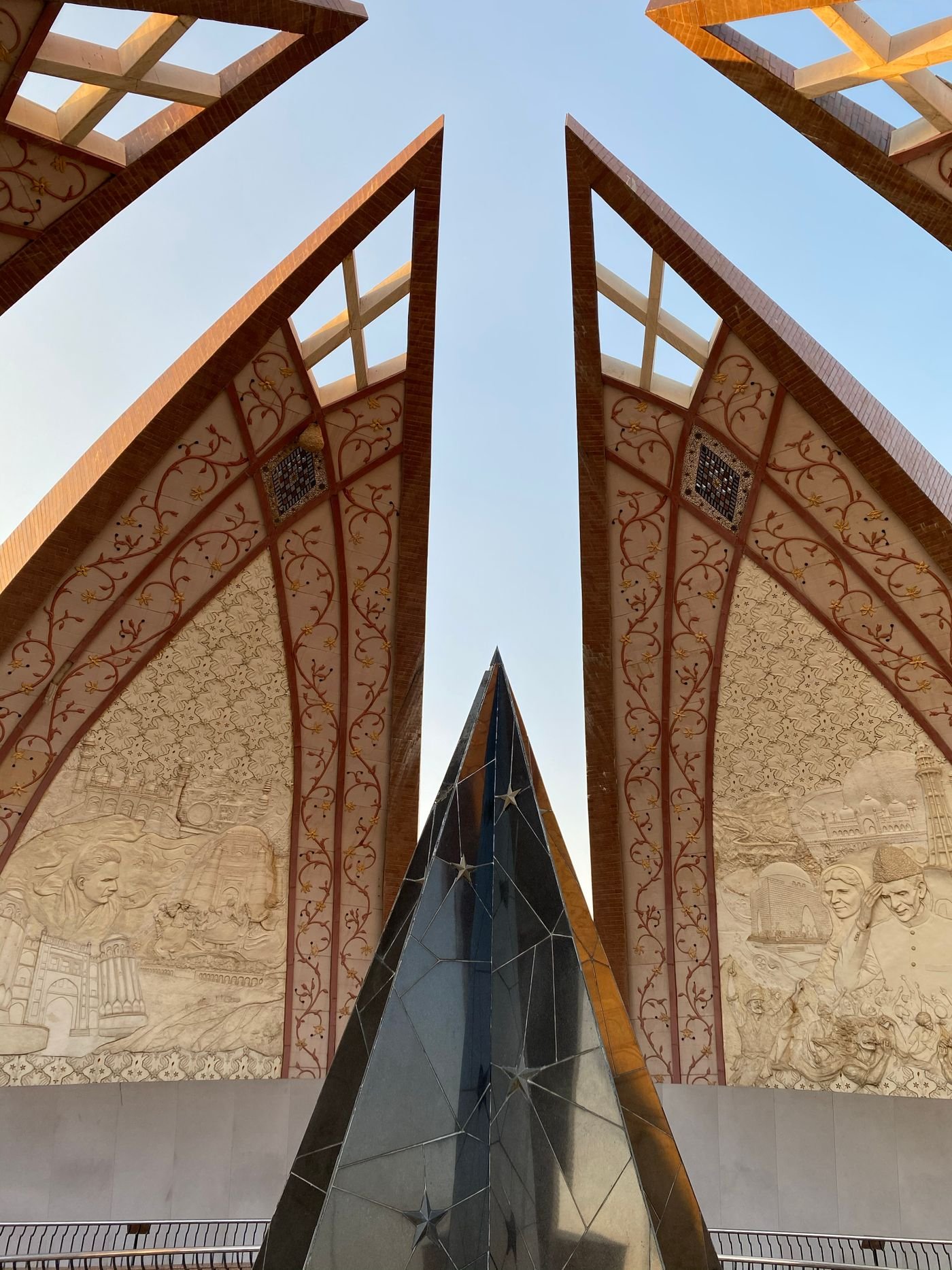
Programs office for the capital region — schools in Tarlai and Koral, water schemes in rural Rawalpindi district, and our disaster-readiness cell for KP and AJK.
Islamabad contact detailsOur directors spend as much time in the centres as they do at desks — that is a policy, not a preference.
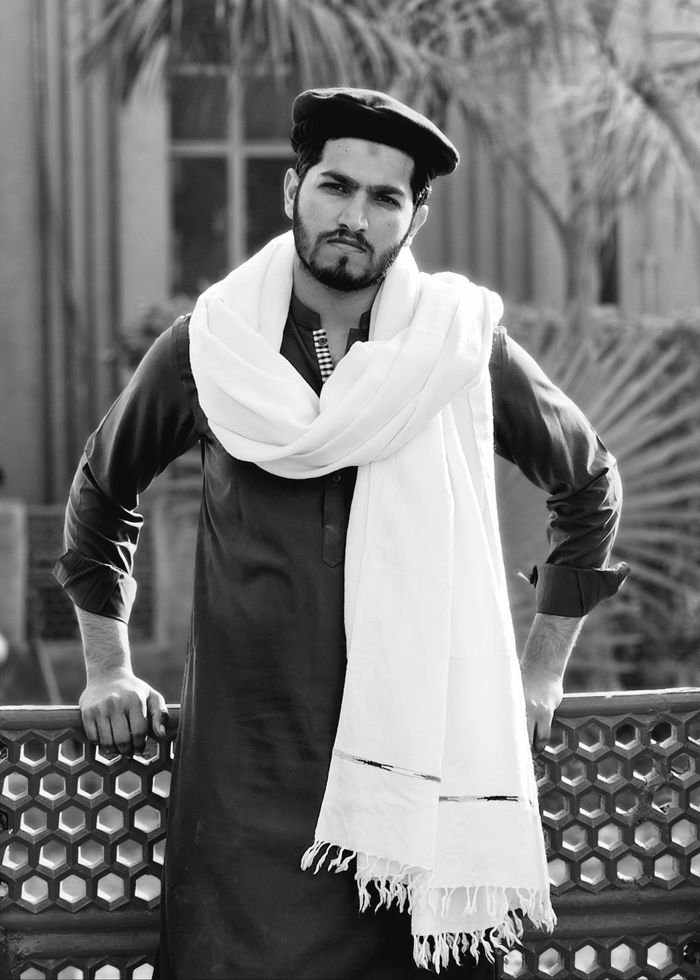
Former schoolteacher who started Gulbahar with 40 students in Orangi. Chairs the community committee network.
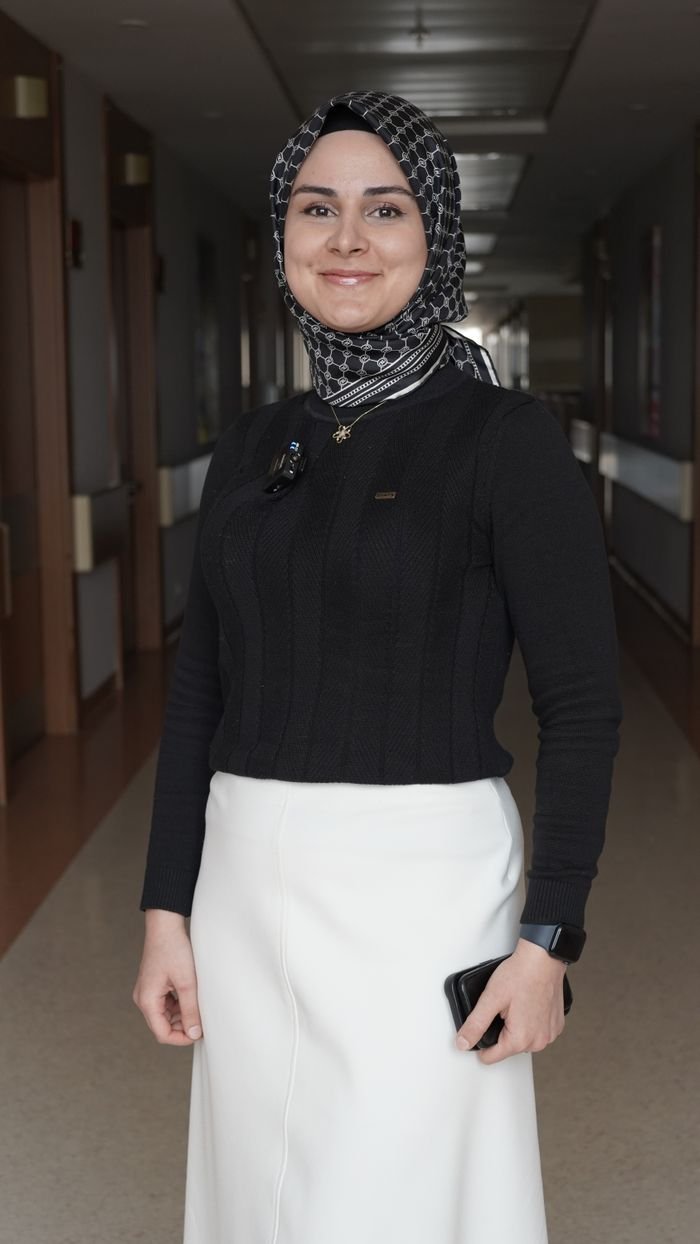
MPH from AKU. Twelve years in public health programming; leads strategy, partnerships and the impact dashboard.
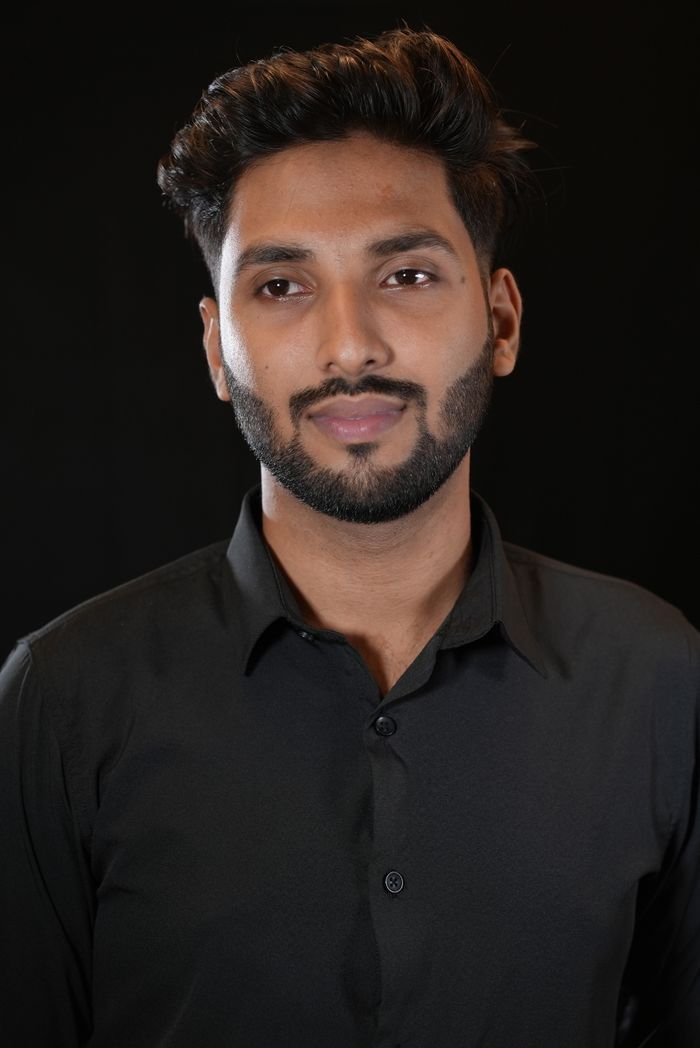
Oversees education, WASH and livelihoods. Believes a centre should be judged by its attendance register.

GP leading our six mobile clinics and eye-camp network. Speaks Sindhi, Balochi and a lot of Urdu proverbs.
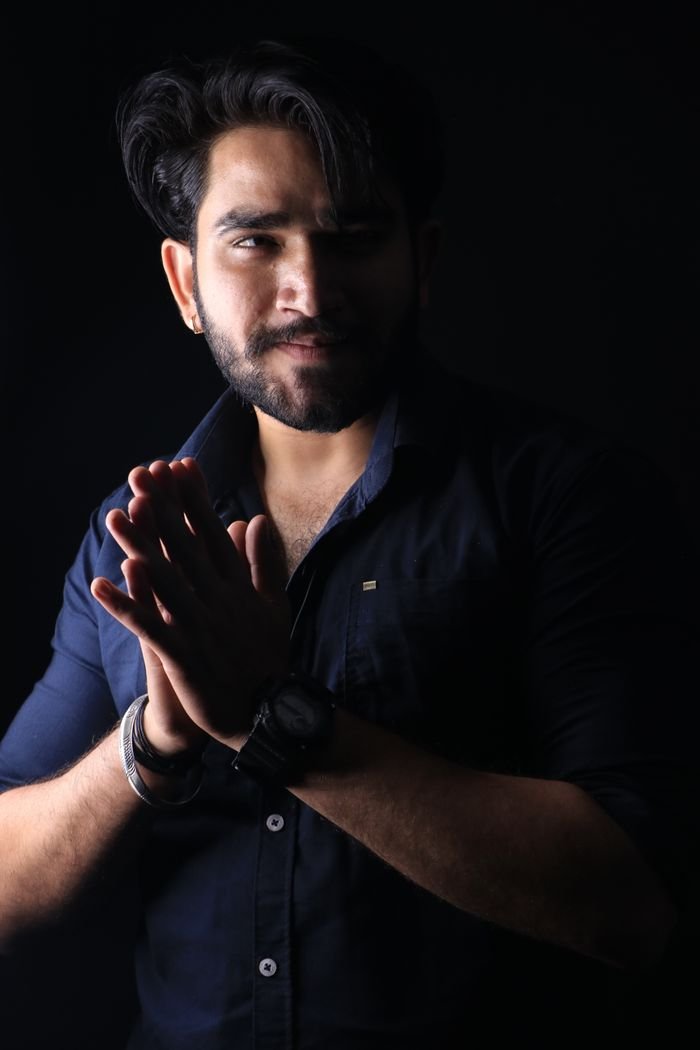
Runs the warehouses, fleets and 48-hour response protocol. Sleeps lightly during monsoon season.

CA (ICAP). Owns audits, zakat ring-fencing and the tax-exemption filing that keeps your receipt valid.
Every rupee is reconciled against a budget line, reviewed by our finance committee and audited by an independent CA firm. Below is the allocation from our most recent audited year.
“Charity is not a photograph of a smiling child. It is the report card that follows.”Faisal Raza QureshiFounder & Chairman, Gulbahar NGO
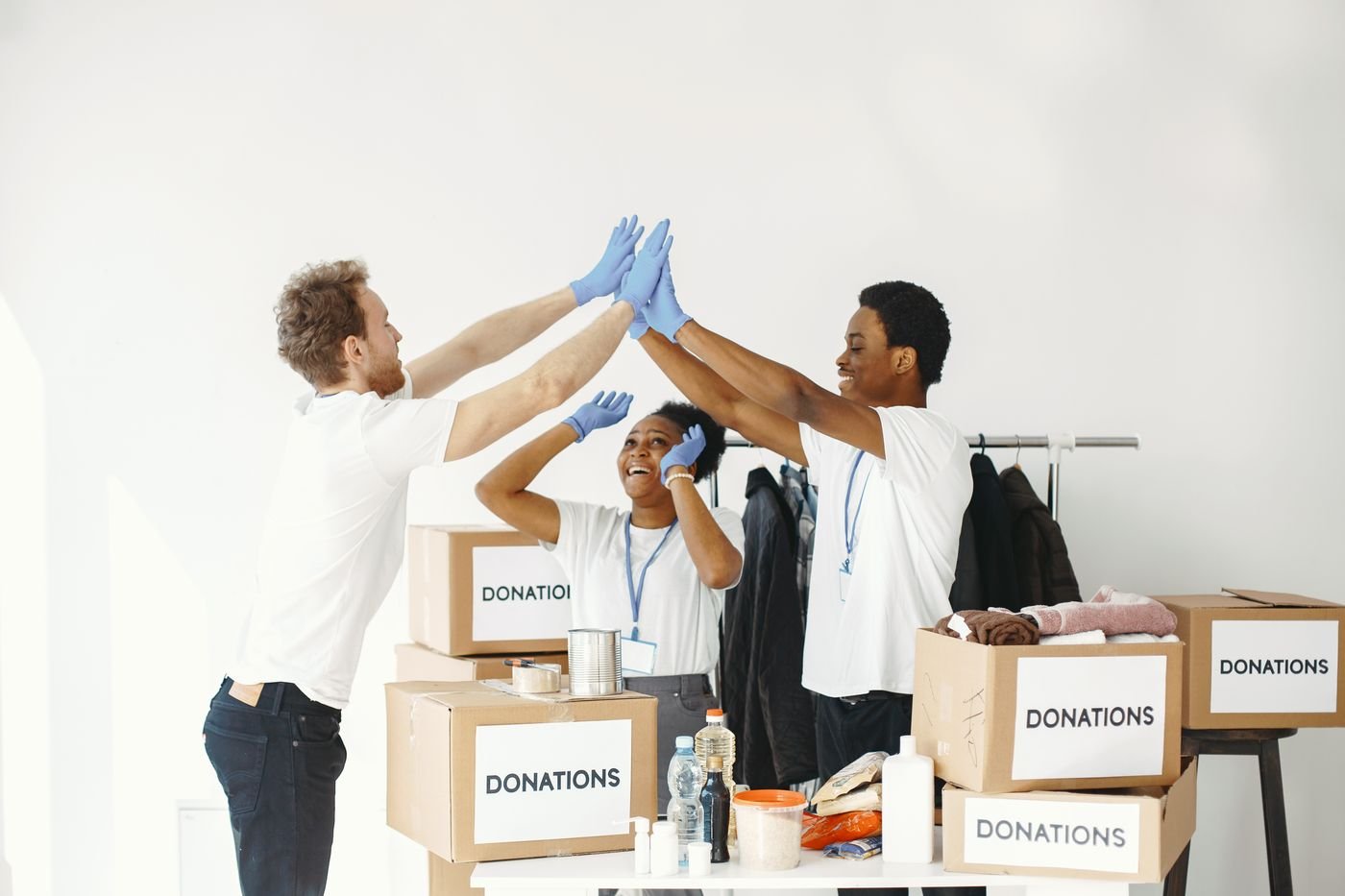
Whether it is PKR 1,000 or a Saturday of your time — there is a place for you in the Gulbahar family.